Unknown geological formations under the ice in Antarctica, missing research submarine
Scientists have discovered strange structures while searching for answers to the question of what lies beneath the ice of Antarctica. An unmanned submarine was mapping the ice beneath the Dotson Ice Shelf in West Antarctica. While mapping, it sent back images of flat plateaus, stair-like steps, and huge craters. But shortly after sending the data, the submarine mysteriously disappeared.
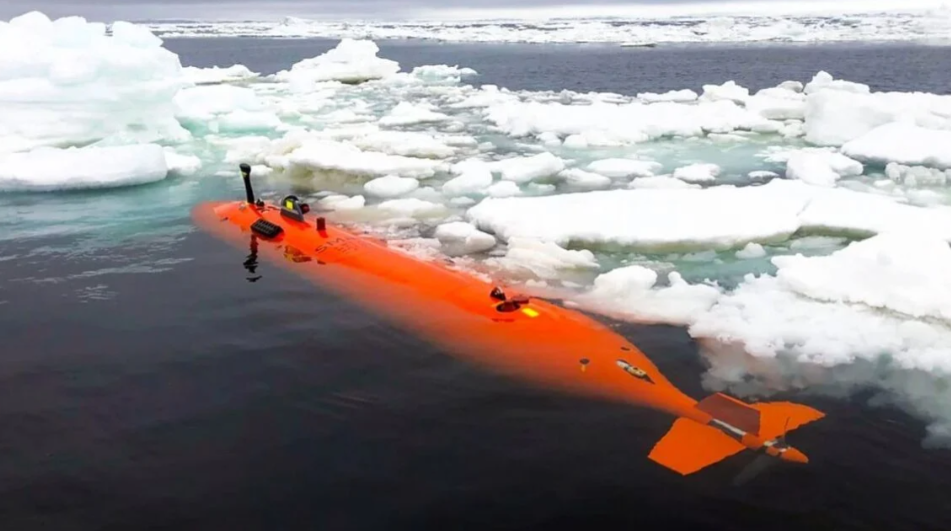
The submarine, named ‘Run’, was being used to understand how warm ocean currents erode the ice sheet from below. The data it sent has forced us to rethink conventional scientific ideas about ice melting. Maps created using sonar technology (a method of detecting distance and structure with sound waves) have shown that there are previously unknown structures under the ice.
The head of the study, Professor Anna Wahlin of the University of Gothenburg in Sweden, said that it was terrifying to see the submarine disappearing into the dark depths of the ice while communication was lost.
Despite a long search after its disappearance, no signal or debris was found. It is believed that it was lost in the deep sea due to mechanical failure or a collision with an iceberg.
Scientists said that large cracks have been found under the ice, which act as secret passages for warm water. Warm water enters these passages and melts the ice more quickly.
In some places, steps like stairs have been formed due to slow-moving currents. To the west, deep holes have been found, some as deep as 984 feet long and 164 feet deep, as if they were dug by strong currents.
The submarine was lost because GPS or radio signals did not work under the ice, but the data it sent back is invaluable. Scientists say the data shows how complex the warm ocean currents are hitting the ice floor.
The melting of West Antarctica has caused sea levels to rise by about 0.55 inches since 1979. The new discovery will play a key role in understanding future risks.
Related Posts


About The Author
